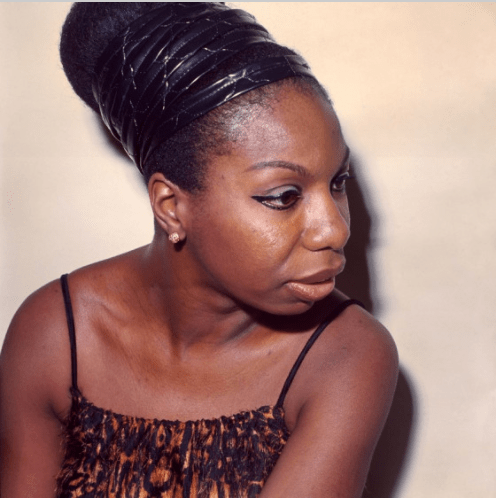
Humanist, activist and cultural icon, Nina Simone recorded more than 40 albums during her career, fusing a jazz sound with blues, gospel and classical genres. By the mid 1960s, she was among a group of Black women in entertainment such as Lena Horne, Pam Grier and Cicely Tyson, who sought to perform on their own terms, and became the voice of a generation in the Civil Rights movement with what she dubbed her first protest song Mississippi Goddam.

The high priestess of soul began her musical career as a child piano prodigy and expected to become a concert pianist. She never embraced the term ‘the jazz singer’, as it mislabelled the extent and true nature of her repertoire, asserting that “Jazz is a white term to define Black people. My music is Black classical music”.
The fact that Simone was a classical musician first and foremost is often overlooked. That is, save for the story of when she appeared at a church recital aged 12, and her parents were moved from the front row to the back of the theatre to make room for white attendees. Simone refused to perform until her parents had been re-seated at the front where they could watch her play properly.
Simone also never accepted ‘the jolt of racism’ she described when her scholarship application to the Curtis Institute of Music was denied. Despite never doubting her natural talent and having trained at The Juilliard School, she recalled that “it took me about six months to realise it was because I was Black.”
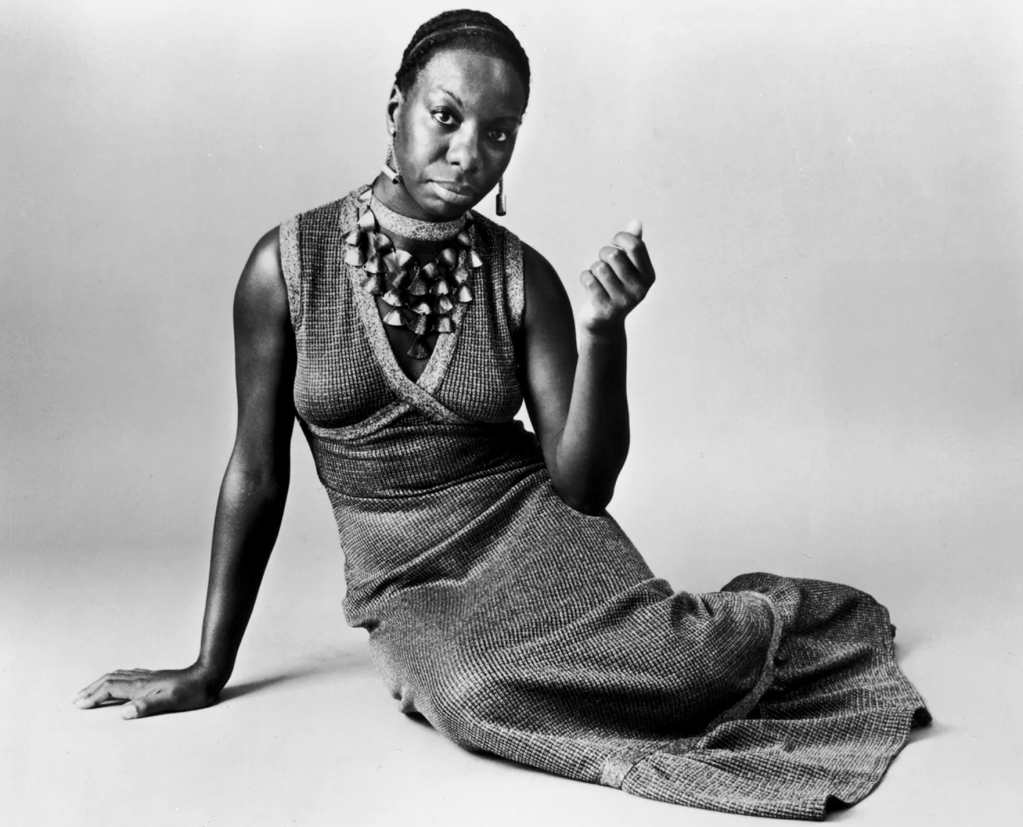
Gender was central to Simone’s idea of Black politics. She often credited friend, playwright and activist Lorraine Hansberry with her own self-awakening. From that, Simone confronted the sense of restlessness surrounding the issues of American class and race relations at that time in her work, and framed the ideal of Black liberation as one free of misogyny, with the empowerment of Black women at its core. Hansberry’s play To Be Young, Gifted and Black gave its name to Simone’s Civil Rights anthem, and also gave weight to her belief that Black pride needed to celebrate not denigrate Black beauty, specifically the beauty of Black women.
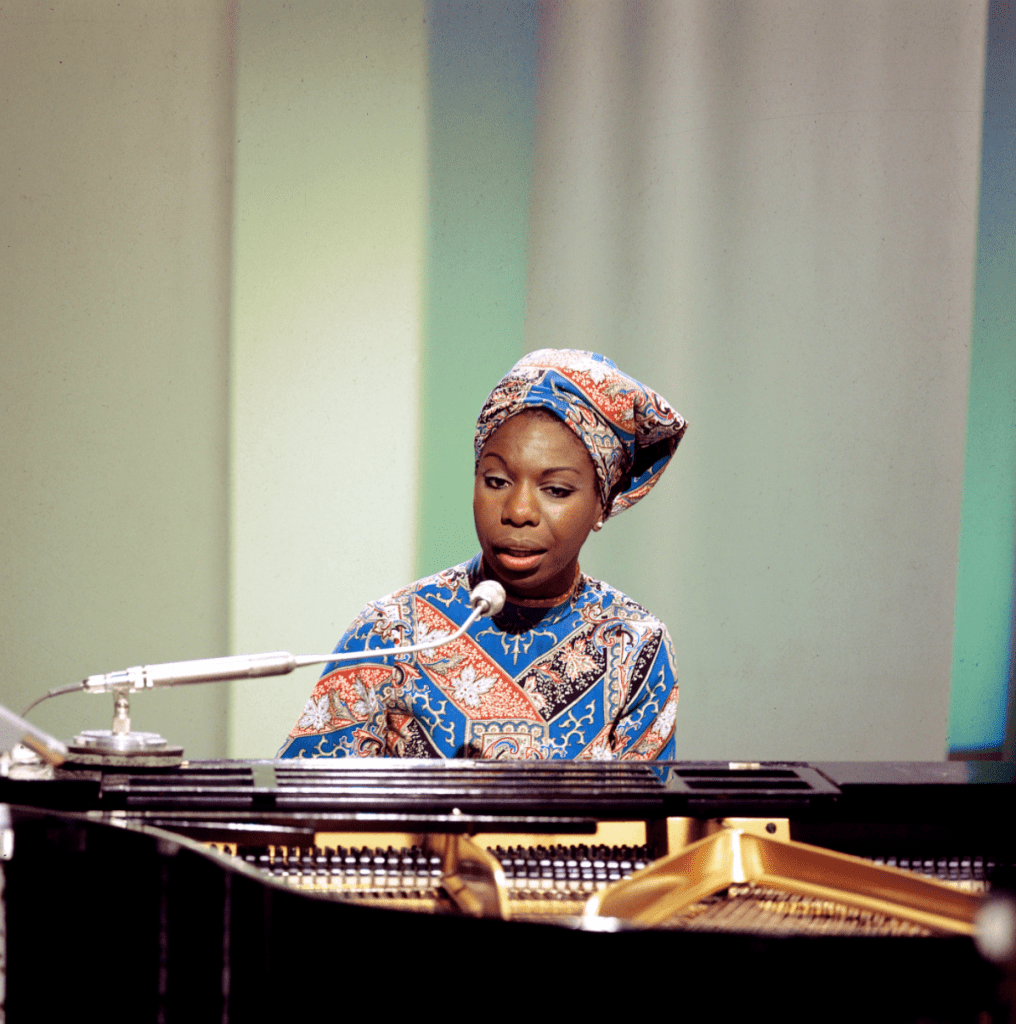
Simone never disregarded the respectability of her classical training, but rejected the concept that Black women needed to be ‘ladylike’ and compromise just to warrant equal rights. She railed against the notion that effective activism required self restraint, in the form of non-violent protest and the moderation of female sexuality.
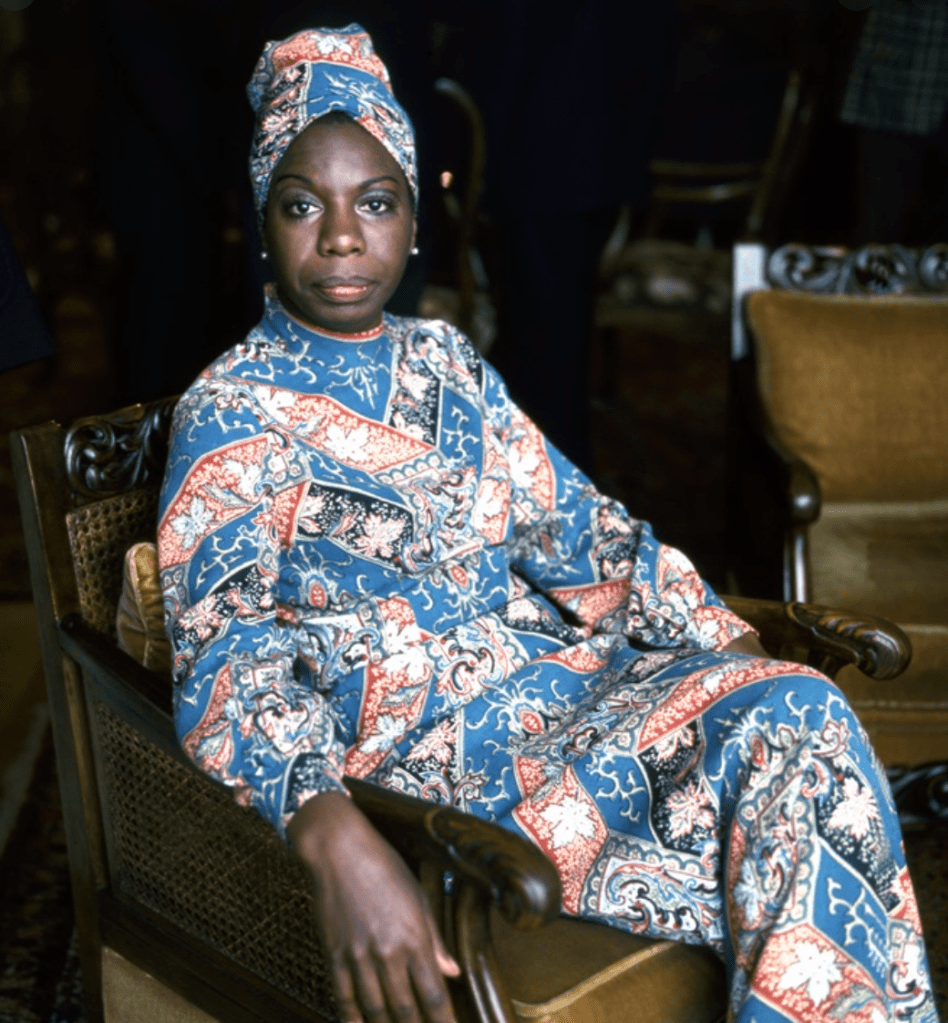
Simone’s abusive and coercive marriage to Andrew Stroud is well documented, yet she showed her empowerment, on stage at least, by asserting control and power through her music which defied the boundaries between genres. As her sound became shaped by the Black experience in America, her appearance and magnetic performances were shaped by markers of cultural nationalism; from wearing resplendent gowns, traditional head wraps, and her hair in its natural form to performing with African musicians in her live band.

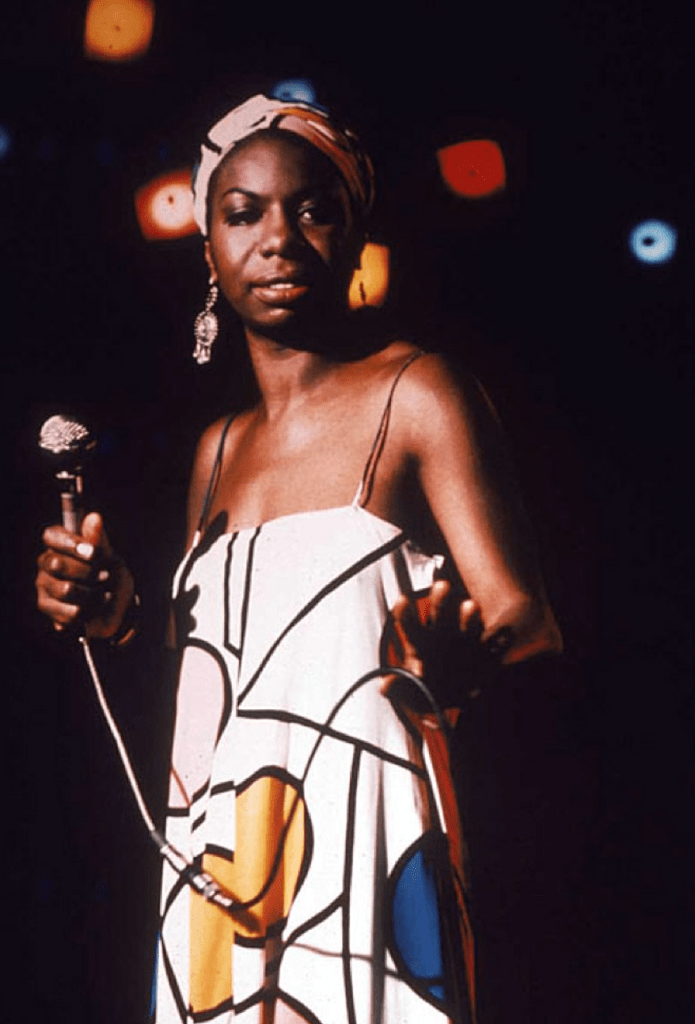
Mississippi Goddam‘s show-tune arrangement is intentionally at odds with its impactful lyrics which reverberate with rage, sparked by the murders of Emmett Till and Medgar Evers, and the church bombing in Birmingham Alabama by white supremacists, which killed four children. Though a scathing indictment of race inequality that Simone described as “a rush of fury, hatred and determination”, the song was largely banned across several states simply for its use of the word ‘Goddam’ in the title. One South Carolina radio station actually returned the records to distributers snapped in half.
The poignancy and significance of Simone’s artistry is in this uncomfortable contrast of upbeat rhythm and stinging content, designing the impact of a song to not only come from its composition and context but precisely how it is performed. This comic irony became the calling card of some of her most seminal songs around activism, creating sing-a-long interactions which played on relations of power with the audience in tracks like Go Limp, the adapted anti-war song, and Four Women which deftly refused the two-dimensional portrayal of Black women by white America.
 The Faisean